
An SEO Guide helps beginners learn SEO easily. This SEO Guide explains how search engines work. It also explains how websites can gain more visibility. Therefore, this SEO Guide gives beginners https://getonglobe.com/a simple starting point.
An SEO Guide starts with the basics. SEO means Search Engine Optimization. It helps websites gain visibility in search results. Moreover, an SEO Guide shows how SEO can bring organic traffic. As a result, businesses can reach more potential customers.
An SEO Guide covers keyword research. Keywords show what users search for. Therefore, an SEO Guide helps you choose useful keywords. In addition, an SEO Guide teaches natural keyword placement. This approach helps users find relevant information.
An SEO Guide explains on-page SEO. This process improves important page elements. For example, an SEO Guide covers titles, headings, images, and internal links. Furthermore, an SEO Guide explains how to organize website content. Clear content helps users navigate pages easily.
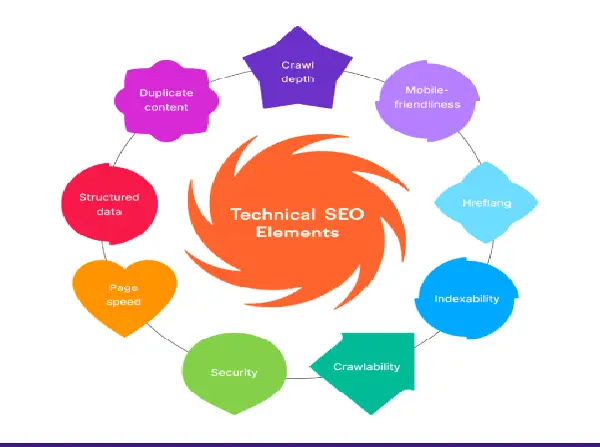
A complete SEO Guide also covers technical SEO. Technical SEO improves website performance. It helps search engines crawl your pages. Therefore, an SEO Guide covers speed, mobile usability, indexing, and crawlability. These steps can improve the website experience.
An SEO Guide also explains off-page SEO. Link building plays an important role here. For instance, an SEO Guide recommends relevant backlinks. Quality backlinks can improve website authority. They can also increase online visibility.
This SEO Guide explains why SEO matters. Good SEO can increase organic traffic. It can also support leads and sales. Furthermore, an SEO Guide encourages useful content. Therefore, businesses can build stronger online visibility.
Finally, this SEO Guide helps beginners learn SEO step by step. With this SEO Guide, users can understand important SEO practices and improve their websites.
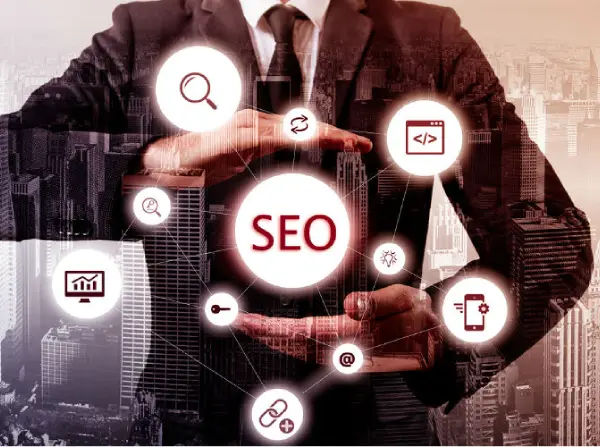
An SEO company can help online businesses in a number of ways:
An SEO company can identify relevant keywords that potential customers use to search for your products or services.
An SEO company can optimize page titles, meta descriptions, header tags, images, and content. As a result, search engines can better understand your pages.
An SEO company can build quality backlinks from relevant and trustworthy websites. These links can improve your website’s authority and search visibility.
An SEO company can fix technical issues that affect website performance. These issues may include broken links, duplicate content, slow loading times, and crawl problems.
An SEO company can create useful and engaging content for your target audience. In addition, valuable content can attract visitors and encourage them to take action.

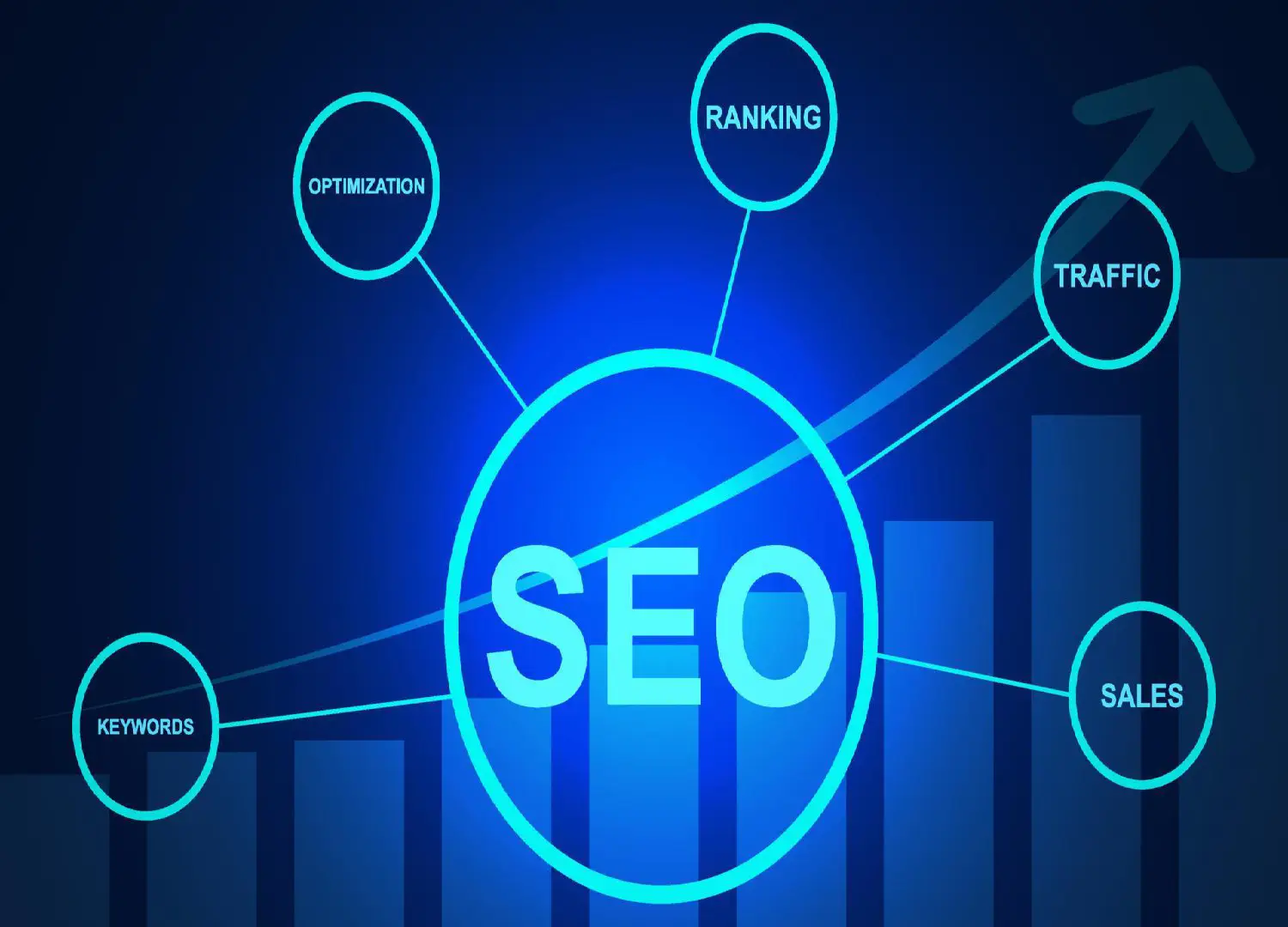
SEO works by improving a website’s content and structure. It helps search engines understand the website. As a result, search engines can show relevant pages to users.
First, an SEO practitioner researches relevant keywords. These keywords match what users search for online. Next, the practitioner adds suitable keywords to the website content. However, the keywords should appear naturally.
On-page SEO improves important website elements. These elements include title tags, meta descriptions, headings, images, and content. Therefore, search engines can understand each page more easily.
Technical SEO improves the website’s structure and performance. It can fix broken links, slow loading times, and crawl issues. In addition, it helps search engines access important pages.
SEO also includes off-page activities. For example, an SEO practitioner can build quality backlinks from relevant websites. These backlinks can improve website authority and search visibility.
Search engines such as Google crawl and analyze websites. They look at content, keywords, links, and page structure. Then, search engines use this information to rank pages. Finally, users see the most relevant results for their searches.
The SEO Guide covers several important elements of SEO. Together, these elements help websites improve search visibility. Therefore, every SEO Guide should explain them clearly.
Keyword research is the first step in SEO. It helps you find terms that people search for. Moreover, the SEO Guide recommends choosing relevant keywords. Use these keywords naturally in your content.
On-page SEO improves elements on your website. These include titles, headings, content, images, and internal links. In addition, the SEO Guide explains how these elements help search engines understand your pages.
Technical SEO improves your website’s technical performance. It includes speed, mobile-friendliness, crawlability, and indexing. Therefore, the SEO Guide includes technical SEO as a core element.
Off-page SEO focuses on activities outside your website. For example, quality backlinks can improve website authority. Similarly, the SEO Guide explains how relevant backlinks can support search visibility.
Useful content plays an important role in SEO. It should answer user questions and provide real value. Furthermore, the SEO Guide recommends clear, helpful, and original content.
User experience also affects website performance. A simple website helps visitors find information quickly. As a result, users can navigate pages more easily.
Overall, these elements form the foundation of SEO. By following this SEO Guide, beginners can understand SEO better. They can also improve their website and build a stronger online presence.
Black Hat SEO uses methods that try to manipulate search engine rankings. These methods can break search engine guidelines.
For example, keyword stuffing, cloaking, and link schemes are common Black Hat SEO tactics. As a result, websites may receive penalties or lose their search visibility.
In contrast, White Hat SEO follows search engine guidelines. It focuses on useful content, good user experience, and long-term growth.
For example, keyword research, on-page SEO, technical SEO, and quality content support White Hat SEO.
Therefore, businesses should avoid Black Hat SEO practices. Instead, they should use White Hat SEO to build trust, improve rankings, and gain sustainable organic traffic.
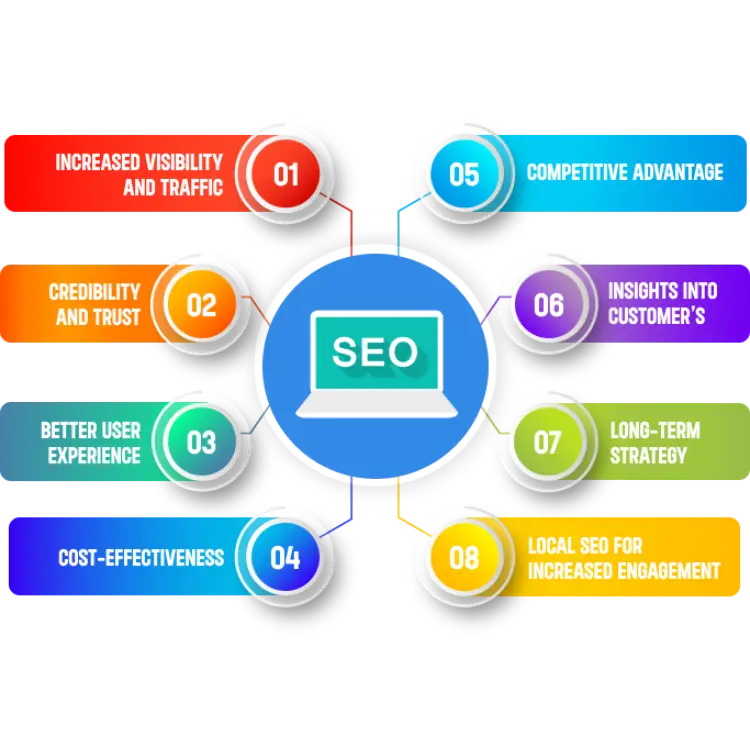
Content is one of the most important parts of SEO. High-quality content helps search engines understand the topic of a website.
At the same time, it gives users useful and relevant information. Therefore, good content can help a website att1ract more organic traffic.
Moreover, SEO content uses relevant keywords naturally. It can also answer user questions and solve their problems.
As a result, helpful content can improve user engagement and build trust.
In addition, fresh and original content can support better search visibility. Businesses can use blogs, service pages, guides, and other content to reach their target audience. Therefore, creating useful content is essential for long-term SEO success.
Keyword research is the process of finding words and phrases that people use when searching online.
It helps businesses understand what their target audience wants. Moreover, keyword research helps create relevant content and improve search visibility.
Therefore, choosing the right keywords is an important part of SEO.
A good page title should describe the page accurately and include the main keyword naturally.
1In addition, it should be unique, simple, and easy to understand. As a result, users can quickly understand the page before visiting it.
Header tags are HTML elements that organize and structure webpage content. They include H1, H2, H3, H4, and other heading levels.
The H1 tag usually represents the main topic of a page. Meanwhile, H2 and H3 headings divide the content into clear sections.
Header tags help users scan a page and find information quickly. In addition, they help search engines understand the structure and main topics of a webpage.
Therefore, using relevant and properly organized header tags can improve readability and support better qSEO.
A meta description gives users a short summary of a webpage. It usually appears below the page title in search results.
Therefore, a clear meta description can encourage users to click on your page.
A good meta description should describe the page accurately and include the main keyword naturally. In addition, it should provide useful information and match the page content.
As a result, a well-written meta description can improve click-through rates and support your SEO efforts.
Image alt text is a short and clear description of an image. It helps search engines understand the image and its purpose.
In addition, alt text improves accessibility for people who use screen readers. Therefore, every important image should have relevant and descriptive alt text.
For example, an SEO Guide page can use alt text such as “SEO guide explaining keyword research and search engine optimization strategies.”
This description clearly explains what the image shows while using the keyword naturally.
Structured markup, also known as Schema Markup, is code added to a webpage to help search engines understand its content.
It provides clear information about the page, such as articles, services, products, reviews, events, or FAQs.
In addition, structured markup can help search engines display rich results in search pages.
Therefore, using relevant structured markup can improve how your website content appears in search results and make it easier for search engines to understand your webpage.
Page URLs are the web addresses used to access specific webpages. A well-optimized URL helps users and search engines understand the page topic quickly.
For better SEO, URLs should be short, descriptive, and easy to read. Use relevant keywords naturally and avoid unnecessary numbers, symbols, or long words.
A clean URL structure can improve user experience, support crawling, and make webpages easier to understand.
Internal linking is the practice of linking one page to another page on the same website. It helps search engines understand the website structure, page relationships, and content hierarchy. Therefore, internal links can support better crawling and help important pages gain visibility.
For effective SEO http://Contact us,use relevant and descriptive anchor text and link to useful, related pages. In addition, internal linking makes website navigation easier, helps users find more information, and improves the overall user experience.
A mobile-responsive website adjusts its layout, images, text, and buttons according to different screen sizes.
It ensures that users can easily browse and interact with the website on smartphones, tablets, and desktops.
Therefore, mobile responsiveness improves user experience, readability, and website usability.
It can also support better SEO performance because search engines prefer websites that work well on mobile devices.
Website speed is the time a website takes to load and display its content. A fast website helps visitors access information quickly and provides a better browsing experience.
It also reduces bounce rates and can improve search engine rankings. Therefore, optimizing images, reducing unnecessary files, and improving server performance can help make a website faster and more efficient.
Backlinks are links from other websites that point to your website. They are an important part of Off-Page SEO because they help search engines understand that your website is trusted and valuable. Quality backlinks can also increase your website’s visibility and credibility.
Moreover, backlinks from relevant and high-authority websites can improve search engine rankings and bring referral traffic to your website.
Therefore, businesses can build backlinks through guest posts, business directories, resource pages, and relevant websites.
Anchor text is the clickable text used in a hyperlink that takes users from one webpage to another. It helps users understand what the linked page is about.
In SEO, relevant and descriptive anchor text also helps search engines understand the topic and relationship between linked pages.
Using the right anchor text is important for both internal linking and backlinks. It should be natural, relevant, and easy to understand.
Therefore, avoid using the same keyword repeatedly or using generic text like “click here.” Instead, use meaningful phrases that accurately describe the linked content.
Link quantity means the total number of backlinks a website has, while link quality refers to how trustworthy, relevant, and authoritative those backlinks are. Having many backlinks does not always mean better SEO results.
High-quality backlinks from trusted and relevant websites are generally more valuable than a large number of low-quality or spammy links.
Therefore, SEO should focus on building relevant, natural, and high-quality backlinks rather than simply increasing the number of links.
Personal factors are user-specific elements that can influence the search results a person sees.
These may include location, search history, language, device, and previous search behavior. Therefore, two people may see different results for the same search query.
Personalization helps search engines provide more relevant and useful results to each user.
For example, a person searching for “SEO services near me” may see local businesses based on their location.
Social presence refers to how actively a business or website appears on social media platforms.
A strong social presence helps businesses connect with their audience, share useful content, and increase brand awareness.
Moreover, social media activity can bring more visitors to a website and help build trust and credibility.
Therefore, businesses should regularly share valuable content and engage with their audience on relevant social platforms.
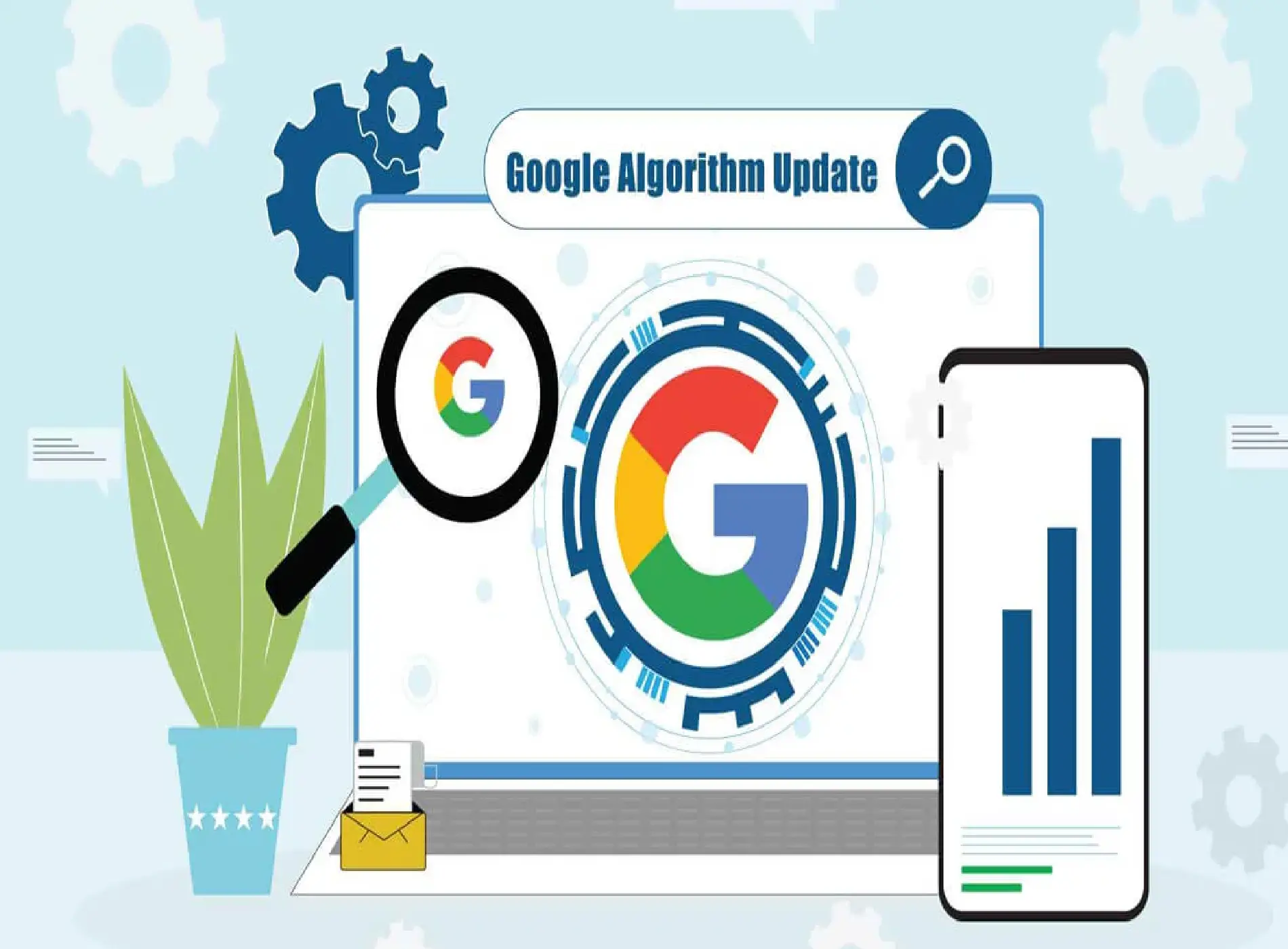
Google algorithm updates are changes made by Google to improve how websites are ranked in search results.
These updates help Google provide users with more useful, relevant, accurate, and high-quality content.
Website owners should follow SEO best practices and focus on helpful content, good user experience, mobile responsiveness, and website speed.
Regularly monitoring Google updates helps businesses understand ranking changes and improve their SEO strategy.
SEO usually takes around 3 to 6 months to start showing noticeable results. However, the time can vary depending on the website’s age, competition, target keywords, content quality, and overall SEO strategy. Some websites may see improvements earlier, while others may take longer.
SEO is a long-term process, so consistent effort is important. Regularly improving website content, fixing technical issues, building quality backlinks, and monitoring performance can gradually improve rankings, organic traffic, and online visibility.
There are many factors that can influence the success of an SEO marketing campaign, and the importance of each factor can vary depending on the specific goals and circumstances of the campaign. However, some factors that are generally considered to be important in SEO marketing include
Overall, the most important factor in SEO marketing will depend on the specific goals and circumstances of the campaign, but some factors that are generally considered to be important include the quality and relevance of content, keyword research and targeting, technical SEO, link building, and user experience.
It is possible for a website to rank in search results without implementing SEO strategies, but it is generally more difficult to achieve good ranking without SEO. This is because search engines use algorithms to evaluate the quality and relevance of websites and to determine their ranking in the search results. These algorithms take into account a variety of factors, including the content and structure of the website, the presence and quality of backlinks, and the user experience.
By implementing SEO strategies, a website can improve its ranking in the search results by making it more relevant, credible, and user-friendly to search engines and users. Without SEO, a website may still be able to rank in search results if it has high-quality, relevant content and a strong presence on social media and other online platforms, but it is likely to be at a disadvantage compared to websites that are optimized for search engines.
Overall, while it is possible for a website to rank in search results without SEO, it is generally more difficult to achieve good ranking without it. By implementing SEO strategies, a website can improve its ranking in the search results and attract more qualified traffic.
The cost of SEO can vary significantly depending on a variety of factors, including the size and complexity of the website, the competitiveness of the keywords being targeted, the scope of the SEO work being performed, and the location and experience of the SEO provider.
In general, the cost of SEO can range from a few hundred dollars per month to several thousand dollars per month, depending on the specific needs and goals of the website. Some SEO providers may offer packages or services at fixed prices, while others may charge based on the number of hours worked or the level of expertise required.
It’s important to keep in mind that SEO is an ongoing process, and it is generally recommended to budget for at least six to twelve months of SEO work in order to see the full benefits.
Overall, the cost of SEO can vary significantly depending on a variety of factors, and it’s important to carefully consider the specific needs and goals of the website when budgeting for SEO.
WhatsApp us
